
Deacon Spotlight: Alyssa Walton
Alyssa Walton (2020, BA in Anthropology, Minors in Classical Studies and Cultural Heritage Preservation)
Heritage Projects Officer, London Borough of Havering in London, UK
Tell us about your current job role and employer. What are you currently working on?
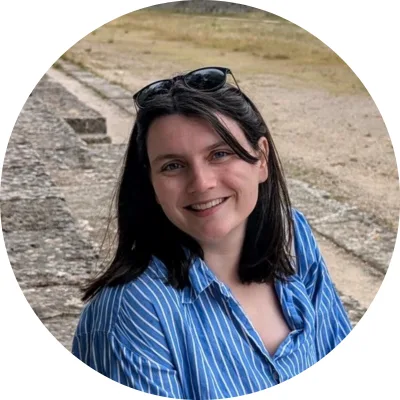
I work as the Heritage Projects Officer for Havering, one of London’s boroughs, and a cultural organization called Havering London. Each day looks different! Sometimes I’m reviewing grant applications or processing payments, other times I’m helping collect and digitize rave culture memorabilia. Everyday I’m answering emails. The overall goal of my job is to understand the history of the borough, why people today care (or don’t care) about it, and how to include these experiences in local policy planning. I’m most excited about a heritage mapping project I’m running with the University of Cambridge. We’re traveling around Havering asking residents to map out areas of historic or everyday importance. I’ll then use that data to understand how different perceptions of this heritage are interconnected across the borough, and how the local council can best plan for and protect local heritage.
What key personal and/or career experiences led you to where you are today?
I studied Anthropology as an undergrad, focusing in archaeology. I absolutely loved it, but realized I was more interested in why and how people today care about the past, instead of just studying the past myself. I worked in finance for two years after graduation and desperately missed working with heritage. That’s how I ended up getting my masters in the UK, then staying on to work.
It’s been a very long and winding road to get to where I am today. Lots of rejected job applications, honest conversations with professors, informational interviews, self-doubt about leaving a stable career, and sacrificing being near my friends and family. I love where I’ve landed now, but undoubtedly there are more twists and turns ahead!
What is the most challenging aspect of your job? How do you navigate that challenge?
I work with lots of stakeholders – from artists to councillors to local community members – who all have different opinions about what heritage should be. I wear lots of different hats to engage with these groups and to get projects off the ground. It can be difficult juggling all my to-dos, but being flexible and breaking down projects into mini-goals has always helped.
Local government also has very little funding available, so prioritizing what projects should get the green light, or what historic buildings need refurbishment first, is a very tricky process. I’ve found the best way forward is to keep conversations going, be honest about what resources are available, and keep one eye glued to upcoming funding opportunities.
What advice would you give to Wake Forest graduates about developing their personal life habits after college (finances, health, values, work/life balance)?
If you’re not sure what’s next after graduation, don’t stress about your first job being your forever job. Landing in your dream career right out of college is amazing, but rare. I took my first post-grad job for financial stability after graduating during the pandemic. I ended up learning how to work outside an academic structure, how to manage a team, and financial skills that directly helped me get work in the heritage sector.
Your first job can teach you what work culture you thrive in, how many hours a week you can realistically work, and how far a paycheck actually goes. It’s nice to be able to pay rent while you figure out your next steps.
We know that relationships are important for any kind of development. How do you build and maintain your network?
I can be very introverted, so at first, building a network felt daunting. Attending in-person or large scale events felt out of reach for me at the beginning. Starting small, like connecting with someone on LinkedIn is a good first step. Having a stepping stone, like a professor introducing you to a contact, definitely breaks down barriers. Sometimes it’s acting within the seconds you feel brave to send that introductory message or email. I promise most people are happy to help!
Maintaining your network can be tricky – people are busy! But I find sending an update email every now and then or posting about projects you’re excited about is a good way to stay engaged. I now really enjoy attending in-person events like conferences or exhibitions. It’s great to have organic conversations face to face, meet new people, or catch up with an old colleague over coffee.
Tell us about your mentoring relationships. What impact have these relationships had on your career and life?
I owe my career to my mentors. Close relationships with professors was one of the many benefits of Wake Forest’s Anthropology department. I had two professors who offered invaluable advice not just about work, but about life. They’d ask about my family, or my friend’s dog, or my chocolate chip cookie recipe. I still call them to say hi!
Sometimes their advice was uplifting, like giving positive reviews on my resume. Sometimes they gave sobering news, like getting a masters in no way guaranteed getting a job. To this day their insight is a huge advantage when working in a field as competitive as culture and heritage.
It’s a huge relief knowing I have someone who knows both me and the industry, and will happily talk me through my (sometimes panicky) decision making.
What advice would you give to current Wake Forest students and/or young alumni who are interested in working in your industry?
It’s hard to get your foot in the door with heritage, but you can do it! Intern or volunteer with museum or local history groups as an undergrad. Minor in Cultural Heritage Preservation. Reach out to as many people working in the industry as you can. Ask what kinds of jobs are available, and what kind of applicants stand out. Move laterally. Work in fundraising or learning for an NGO, then move to a heritage setting with some skills under your belt.
A lot of heritage jobs require a masters, but by no means all of them. Right now, the UK has a broader approach to heritage studies than the US. I chose to go abroad for my masters for this reason. If you’re interested in a masters program, take your time researching schools. Reach out to professors or program administrators. Talk to current students if you can.
It’s a very competitive field, and takes patience and persistence to break in. But I love working in this sector, and am more than happy to help anyone get their start!
What’s next for your career? What future goals or plans are you pursuing?
I have one more year on my contract has Heritage Projects Officer. I’m hoping to stay in Havering and continue building up the borough’s cultural sector. Long term, I’d like to move into a policy-focused role to ensure the wellbeing of heritage at a larger scale. I love working on the ground with community groups, and don’t want to give up that part of the job. I believe that that local experiences should be the backbone of heritage policy. My goal is to ensure more accessible ways for communities to create such policies in partnership with experts and government officials. But, as I said earlier, there’s no accounting for the twists and turns ahead.
Story published in August 2026. For current updates about Alyssa, visit her LinkedIn profile.