
Deacon Spotlight: Adrienne Myer Bohannon
Adrienne Myer Bohannon (2002, BA in Communications)
Pediatric Speech-Language Pathologist – Self-Employed in Seattle, WA
Tell us about your current job role and employer. What are you currently working on?
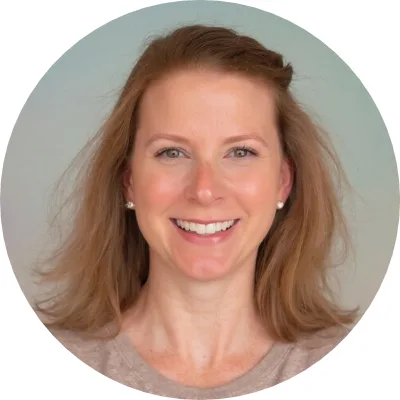
I am a pediatric speech-language pathologist and the owner of my own private practice in Seattle. I provide evaluation and treatment for children and young adults with a range of communication needs, with particular interests in autism, language and literacy and executive functioning. I also consult with schools, supervise graduate students and early-career clinicians, and am currently focused on expanding my practice by developing new partnerships within the community.
What key personal and/or career experiences led you to where you are today?
Becoming a business owner challenged me to grow beyond my role as a clinician and become an advocate, mentor, supervisor, and entrepreneur. It has also given me the freedom to focus on the areas of our field that I am most passionate about, including autism and neurodiversity, AAC, executive functioning, language and literacy, and supporting families as they navigate educational systems.
What is the most challenging aspect of your job? How do you navigate that challenge?
One of the most challenging aspects of my job is balancing the individual needs of each child with the needs and expectations of families, schools and other members of their team. I navigate this by focusing on open communication, collaboration and keeping the child’s functional needs and best interests at the center of data driven decision-making. Years of experience have also taught me the importance of being flexible and adjusting my approach when something isn’t working.
What advice would you give to Wake Forest graduates about developing their personal life habits after college (finances, health, values, work/life balance)?
I would encourage graduates to think about success broadly, not just in terms of career accomplishments, but in building a life that reflects their values. Develop good financial habits early, prioritize your physical and mental well-being and invest in relationships and experiences that matter to you. Work hard, but recognize that your career is only one part of who you are. Most importantly, give yourself permission to change course as your priorities evolve. The life you envision at 22 may look very different, and often better, at 30, 40, or beyond.
We know that relationships are important for any kind of development. How do you build and maintain your network?
I’ve found that the most authentic networking happens organically through genuine relationships. I try to stay connected with former colleagues, classmates, mentors and other professionals I meet through my work, and I’m intentional about reaching out, making referrals and connecting people who might benefit from knowing one another. I also believe in saying “yes” to opportunities to collaborate, mentor, volunteer, or simply have a conversation.
Tell us about your mentoring relationships. What impact have these relationships had on your career and life?
Mentoring has been an important part of my career, both as a mentee and a mentor. I’ve benefited from colleagues and supervisors who have shared their expertise, offered perspective and encouraged me to pursue new opportunities. In turn, supervising speech-language pathology graduate students at the University of Washington and mentoring early-career SLPs has been incredibly rewarding. Teaching and supporting developing clinicians challenges me to reflect on my own practice, stay current and continue growing professionally. These relationships have reinforced for me that mentorship is often reciprocal and I learn just as much from the people I mentor as they learn from me.
What advice would you give to current Wake Forest students and/or young alumni who are interested in working in your industry?
Speech-language pathology is an incredibly rewarding and versatile career, with opportunities to work in schools, hospitals, clinics, private practice and many other settings. SLPs are in high demand, which provides tremendous job security and the flexibility to change settings or specialties throughout your career. My advice would be to seek out opportunities to observe and learn from SLPs working with different populations, find strong mentors and keep an open mind about where your career might take you. It’s a field where you can continue learning and evolving while making a meaningful difference in people’s lives.
What’s next for your career? What future goals or plans are you pursuing?
I look forward to continuing to grow my private practice and have a positive impact on the lives of children with special needs in my community.
Story published in September 2026. For current updates about Adrienne, visit her LinkedIn profile.