
Deacon Spotlight: Phylicia Montaque
Phylicia Montaque (2018, BA in Sociology)
Senior Talent Attraction Analyst at Visa in Atlanta, GA
Tell us about your current job role and employer. What are you currently working on?
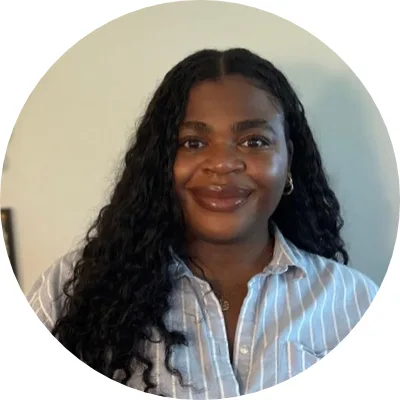
I currently work for Visa, a world leader in payments technology. At Visa, I create, maintain and expand our partnerships with universities and students to pipeline talent for the company. It’s a blend between recruiting, event planning, marketing and the strategies behind them all.
What key personal and/or career experiences led you to where you are today?
I was a Sociology major in college, so I knew I wanted to work with people, but I also knew I wanted to work in a corporate environment. That led me to a career in Human Resources. I narrowed down my preferred role within HR after realizing that I wanted to help people who may not have had access to a certain channels and resources that their peers did. I was inspired by being a Magnolia Scholar at Wake and all of the great work that Dr. French does for first generation college students at the school.
What is the most challenging aspect of your job? How do you navigate that challenge?
There’s no generation, class, or overall group of people that are the same. So I would say the biggest challenge is trying to meet the needs of the company while also appealing to different kinds of people all at the same time. Luckily I have a lot of autonomy in my role and get to be pretty creative about how we show up. My advice would be to always try to get creative where you can, that’s what helps make your role feel authentic.
What advice would you give to Wake Forest graduates about developing their personal life habits after college (finances, health, values, work/life balance)?
Don’t go all in on one category. It’s so easy to meet one goal and forgo the others. Try to maintain a healthy balance between celebrating yourself and planning for your future.
We know that relationships are important for any kind of development. How do you build and maintain your network?
It’s very easy in my role to increase the quantity of my network. In my case, it’s more important to remember to prioritize making some connections that benefit me, and my career, not just my company.
Tell us about your mentoring relationships. What impact have these relationships had on your career and life?
As you tackle new challenges, having a mentor there to validate your experiences and help you move through challenges that are often both systemic and personal is very helpful. Not all mentors are your seniors – some are your peers, and that community is still very impactful.
What advice would you give to current Wake Forest students and/or young alumni who are interested in working in your industry?
My first role after college was at another Fintech and my experience there was one of the major factors in deciding to make the move to Visa a year ago. In my opinion, it’s a great place to start your first ever career as it’s the perfect blend between an innovative, iterative tech culture and the rigor and global impact of financial services.
What’s next for your career? What future goals or plans are you pursuing?
I’ve been casually exploring social impact roles over the years. The role can be very similar to what I’m working on now, the population is just different. I plan to continue to grow my skill set until it feels right to change who I’m serving.
Story published in October 2026. For current updates about Phylicia, visit her LinkedIn profile.