
Deacon Spotlight: James Domenick
James Domenick (2000, BA in Economics)
Founder & Executive Coach, Mirror Full Coaching in Mountainside, NJ
Tell us about your current job role and employer. What are you currently working on?
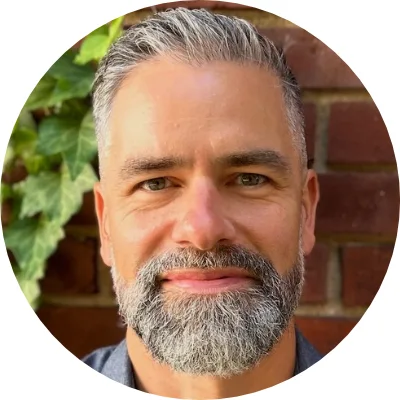
I run my own executive and career coaching practice (mirrorfull.com), which I started in 2025. I work one-on-one with senior leaders, mostly in tech, who are stepping into bigger roles or facing a real fork in the road: a layoff, a reorg, AI reshaping their job, or a quiet sense that the path they picked 20 years ago doesn’t fit anymore. I also just earned my ICF Associate Certified Coach credential and I’m serving as an alumni assistant in the Rutgers / Heidrick & Struggles coaching program I graduated from.
I am also building a pre-construction and renovation planning business with my wife (reframe-design.com). New to entrepreneurship, determined to make it work.
What key personal and/or career experiences led you to where you are today?
I spent 25 years in sales, partnerships and operations leadership at Microsoft, LinkedIn, Amazon and Intuit. The part of the job I loved most was never the quota. It was hiring people, developing them, and watching someone grow into a leader they didn’t think they could be. In early 2025 I started coaching on the side to see if that instinct held up outside a corporate org chart. It did. Then in mid-2026 my role at Intuit was eliminated, and I decided that was the push to go all in rather than look for the next version of the same job. I’m now living the exact transition a lot of my clients are facing, which keeps me honest.
What is the most challenging aspect of your job? How do you navigate that challenge?
Building something from zero. For 25 years I had a team, a budget and a brand behind me. Now every client conversation starts with me. The other challenge is internal: the pull to pile on more work when things feel uncertain, because busy feels like progress. What helps is picking a small number of things that actually matter, doing them every week whether or not I feel like it, and judging myself on the effort for a few months before I judge the results. I also have my own coach. Hard to ask clients to do the work if I’m not doing it too.
What advice would you give to Wake Forest graduates about developing their personal life habits after college (finances, health, values, work/life balance)?
Every few years, ask yourself honestly whether this is the life you actually want, or the one you decided on a long time ago and never re-examined. It’s easy to drift for a decade on momentum. On money: save more than feels necessary early, because options are worth more than stuff, and you never know when you’ll want the freedom to walk away from something. On everything else: protect the things that make you you. For me that’s music, bikes and family. I didn’t always, and I can feel the difference.
We know that relationships are important for any kind of development. How do you build and maintain your network?
Help first, ask later, and don’t keep score. Most of my best opportunities came from people I’d worked with years earlier and simply stayed in touch with: a quick note when they changed jobs, an intro when I could make one, a real catch-up instead of a “let’s grab coffee sometime.” I also learned that when you do need something, be specific. “Let me know if you hear of anything” goes nowhere. “Do you know anyone at X who’s dealing with Y?” actually gets answered.
Tell us about your mentoring relationships. What impact have these relationships had on your career and life?
Some of the managers who shaped me most were the ones who told me the truth when it was uncomfortable and still clearly had my back. That combination is what I try to give now, first to the people on my teams and now to my clients. On the other side, developing emerging leaders was the most rewarding part of my corporate career, and a lot of those people are still in my life. I also work with my own coach today, which has been one of the best investments I’ve made.
What advice would you give to current Wake Forest students and/or young alumni who are interested in working in your industry?
Coaching is a second-act career for most people, so don’t rush into it. Go build real experience first, lead people, make mistakes, get some scar tissue. That’s what clients actually trust. And for anyone headed into tech sales or partnerships: get close to the customer and the numbers early, find a manager who will develop you, and pay attention to what parts of the job energize you. Learn what your strengths are, what sets you apart from the crowd and what makes you unique.
What’s next for your career? What future goals or plans are you pursuing?
Growing my coaching practice and getting better at the craft, with the next ICF credential on the horizon. Longer term I’d like to do more group work and speaking for leaders going through the same transition I’m in, and keep writing about it. Right now I’m also helping my wife launch an interior design business, so there’s a lot of building happening in our house.
Story published in July 2025. For current updates about James, visit his LinkedIn profile.