
Deacon Spotlight: Nicholas Hariri
Nicholas Hariri (2022, BA in Economics, Minors in Entrepreneurship & Global Trade & Commerce Studies)
Registered Client Service Associate, Morgan Stanley in New York, NY
Tell us about your current job role and employer. What are you currently working on?
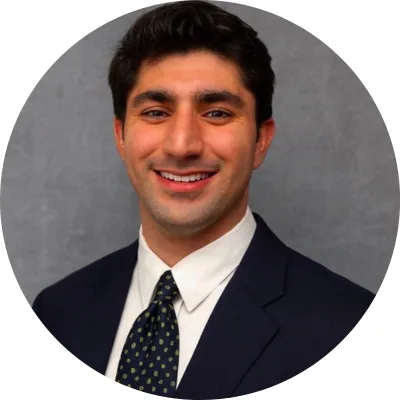
I support a $1.5B financial advisory practice at Morgan Stanley, focusing on portfolio management, financial planning, and client service. While my responsibilities vary significantly, my typical day-to-day consists of actively monitoring and trading client portfolios, creating and delivering financial plans, conducting investment research on various funds and products, and providing support with general client service.
What key personal and/or career experiences led you to where you are today?
For the majority of my time at Wake Forest, I had no clue what I wanted to do with my career. It wasn’t until my junior year, when I took Monetary Theory & Policy as one of my Economics electives, that I realized I had a strong interest in financial markets and decided to pursue a career in the field.
What is the most challenging aspect of your job? How do you navigate that challenge?
Actively managing client money certainly comes with a number of challenges and a meaningful amount of responsibility. Mistakes in this industry not only feel amplified but have a real impact, as they don’t just affect you personally but also the individuals and families you advise. Because of this, attention to detail and organization are two of the most important skills to have in this industry, and they are skills I’ve prioritized developing throughout my early career.
What advice would you give to Wake Forest graduates about developing their personal life habits after college (finances, health, values, work/life balance)?
After college, once you enter the working world, it can be easy to fall into an “eat, sleep, work” mindset. I think it’s important to balance your professional life with things you’re passionate about and genuinely enjoy. Whether it be through volunteering, joining a rec sports league, or spending time with friends and family, make sure to carve out time to incorporate those things into your life, otherwise it can become very easy to burn out.
We know that relationships are important for any kind of development. How do you build and maintain your network?
In regards to networking, I feel that I’m very fortunate to work at Morgan Stanley as the firm culture is very open and collaborative. This makes it easy to connect both in and outside my division to have some coffee chats and learn more about what other people do. That being said, I’ve found the most important part of networking is actually taking the initiative to reach out. Whether it’s sending an email or LinkedIn message, or simply speaking up in the elevator to introduce yourself to a senior colleague, opportunities don’t typically come unless you put in the effort to create them.
Tell us about your mentoring relationships. What impact have these relationships had on your career and life?
Having a mentor, especially in this industry, can be a massive boost to your career. I currently work under an advisor who has been in the financial advising industry for over three decades, and more importantly, has been willing to teach and share his experience and expertise with me. Hearing different perspectives and receiving honest feedback on your goals and aspirations is quintessential to your growth, both professionally and as a young adult.
What advice would you give to current Wake Forest students and/or young alumni who are interested in working in your industry?
I find Wealth Management to be a very rewarding industry to work in, because your success is directly tied to the success of your clients. I also appreciate that there are a very broad range of roles within the industry, from traditional financial advising, to practice management, to more investment-focused or relationship-focused advisory roles. Starting to think about the areas you are most interested in, while also understanding your own skillset, can really help you figure out where you may be best positioned to succeed.
What’s next for your career? What future goals or plans are you pursuing?
Over the last four or so years working in Wealth Management, I’ve been able to identify the areas I enjoy, and just as importantly, the areas I don’t enjoy as much. I’ve been particularly drawn to the portfolio construction and investment management side of the business, so I’d like to continue pursuing that path going forward. My ideal role would involve working on customized portfolios for clients based on their goals and needs, potentially within the investment office of an advisory practice or family office.
Story published in June 2026. For current updates about Nicholas, visit his LinkedIn profile.