
Deacon Spotlight: Ashley Hamati
Ashley Hamati (2016, BS in Honors Health & Exercise Science, Minors in Sociology & Journalism)
OB/GYN Chief Resident at OhioHealth Doctors Hospital, incoming Fellow in Gynecologic Oncology at the University of South Alabama in Mobile, AL
Tell us about your current job role and employer. What are you currently working on?
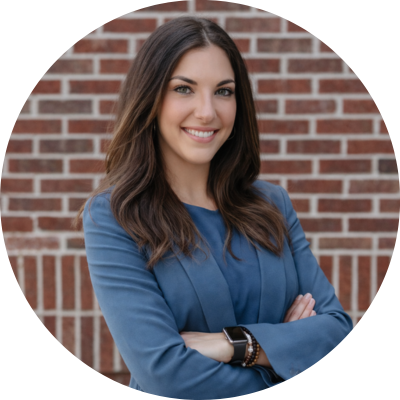
I am currently serving as one of six chief resident physicians in Obstetrics and Gynecology at OhioHealth Doctors Hospital in Columbus, Ohio. In my specific role as “Wellness Chief,” I not only help lead junior residents while managing a broad range of clinical responsibilities, but also organize and plan wellness activities to optimize the elusive work-life balance that comes with being a surgical resident.
When I matched into OB/GYN residency, I always had an underlying interest in gynecologic oncology, a subspecialty in my field that focuses on surgical and medical management of patients with gynecologic cancers (uterine, ovarian, cervical, vulvar). I recently went through the NRMP Match (again!) and was thrilled to have matched into a 3-year fellowship position at the University of South Alabama in Mobile, AL.
Currently, while I’m wrapping up residency, I am training for another upcoming half marathon, looking for a home in my new city, working on publishing a research manuscript, and, most importantly, studying for my specialty board exam before I start my next steps of training in July. I also recently founded a mentorship platform through instagram (@GynOncCollective) designed to provide accessible guidance for medical students and residents interested in gynecologic oncology.
What key personal and/or career experiences led you to where you are today?
My path has been shaped by a combination of mentorship, formative experiences, and resilience through adversity.
At Wake Forest, my time as a human anatomy TA for the HES department and involvement with service organizations like SPARC and Campus Kitchens helped me realize I was drawn to a career that was both hands-on and deeply rooted in service to others. My minors in Sociology and Journalism also fueled my drive for advocacy and helped me develop strong communicative writing skills.
In medical school, this evolved into a fascination with cancer biology and pharmacology, which I further pursued through tutoring and academic involvement.
During residency, I intentionally sought out experiences that would challenge and clarify my interests, including rotations at MD Anderson Cancer Center, Memorial Sloan Kettering, and The Ohio State University. Those experiences exposed me to the human connection, multidisciplinary nature, and complexity that define gynecologic oncology, ultimately solidifying my decision to pursue the field.
Equally important have been the personal challenges I’ve faced along the way, including two near-death experiences— one before medical school and one during my 3rd year of residency— that fundamentally changed how I view time, purpose, and patient care. Those moments required me to choose resilience, and they deepened my commitment to showing up for patients during some of the most difficult chapters of their lives.
It’s safe to say my trajectory has been anything but linear, and I wouldn’t have it any other way.
What is the most challenging aspect of your job? How do you navigate that challenge?
Specifically with gynecologic oncology, you have to be able to balance the emotional weight of patient care while continuing to function at a high level, whether it’s in the operating room or when making critical clinical decisions. It also demands humility. You have to remember to care for yourself, swallow your ego, and ask for help when needed. I have always been involved with athletics and am also a yoga instructor, so running and yoga are my go-tos for when I need to clear my head. I also have learned to be vulnerable and rely upon my support system. What I’ve come to understand as I’ve gone through my still-growing medical career is that resilience isn’t about detaching from work, but rather about finding ways to stay connected and present without becoming overwhelmed.
What advice would you give to Wake Forest graduates about developing their personal life habits after college (finances, health, values, work/life balance)?
Think of three activities that genuinely bring you joy. Find a way to make room for at least one of them every day, even if it’s just 15 minutes. For me, that still includes making DJ mixes, something I discovered through WakeRadio that sparked a lasting creative outlet.
Sleep is way more important than we give it credit for.
Proactively care for your mental health. Even if nothing critical is going on in your personal life, connecting with a therapist that really understands you helps you develop strong coping skills for whenever life throws obstacles your way. This also includes surrounding yourself with people who genuinely have your best interests at heart.
No path is truly linear. Be willing to be adaptable, embrace change, and trust that growth often comes from times of uncertainty.
Learn to advocate for yourself. Ask for opportunities, seek out mentorship, and speak up for what you need because if you don’t ask, the answer is always no.
We know that relationships are important for any kind of development. How do you build and maintain your network?
Building my network has come from a willingness to be uncomfortable and intentional about seeking out opportunities.
I tend to be naturally shy in new environments and feel extremely awkward asking to get involved, so I’ve had to actively push myself outside of my comfort zone. For example, I attended a national GynOnc conference in Canada on my own while I was in the midst of applying for fellowship. I made it a goal to introduce myself to people, often by simply walking up and saying, “Hi, I’m Ashley, a resident applying this cycle. I don’t know anyone here, but your work is really interesting and I’d love to learn more.” What initially felt uncomfortable gradually became more natural, and those small interactions often led to meaningful connections.
Training in a strong community-based hospital setting gave me extensive hands-on clinical and surgical experience, but I also knew I would need to be proactive in seeking out mentorship and academic opportunities to achieve a competitive subspecialty. I reached out to a gynecologic oncology faculty member as a first-year resident to express my interest, and that cup of coffee led to a lasting mentorship relationship that has been foundational to my growth.
In truth, I’ve found that most people in medicine are genuinely willing to connect with those who show curiosity and initiative. By consistently following up, staying engaged, and expressing gratitude, I’ve been able to build relationships that have led to research opportunities, conference presentations, and continued mentorship.
Tell us about your mentoring relationships. What impact have these relationships had on your career and life?
Mentorship has been one of the most defining factors in both my career and personal growth. My mentors have been the backbone at every stage, from high school cross-country and swimming coaches, to college faculty mentors, to peers in medical school that were there in the trenches with me for the 15-hour power-study sessions.
I’ve also learned that mentorship can come from a wide range of perspectives. One of the letters of recommendation, for example, came from an Emergency Medicine physician I had worked with during my 4th year of medical school. They were someone who recognized my strengths and supported my goals, even outside my chosen specialty of OB/GYN.
As someone who’s been an athlete for most of my life, I view mentorship through a coaching lens: recognizing and encouraging strengths, while also helping others see potential in themselves that they may not yet recognize. Having someone willing to invest time, offer honest guidance, and advocate for you can be transformative.
These experiences have also influenced how I show up for others. I recently founded GynOnc Collective, a platform aimed at making mentorship and guidance more accessible to students and residents interested in gynecologic oncology. To me, mentorship is not just something you receive, it’s something that you carry forward.
What advice would you give to current Wake Forest students and/or young alumni who are interested in working in your industry?
Whether you come from a traditional academic background (e.g. moving directly from college to medical school to residency) or a less conventional route, what ultimately matters is your work ethic, curiosity, and keeping the excitement alive.
If you’re interested in pursuing a career in medicine, especially a surgical or subspecialty field, my biggest advice is to be intentional early on, but not rigid. The adage, “Rome wasn’t built in a day” rings true here — you don’t want to burn out and you certainly don’t want to spread yourself too thin. I learned that the hard way.
Don’t hesitate to reach out to people who have taken similar paths to the one you’re considering. Mentorship and honest conversations provide both clarity and opportunities you may not have otherwise found.
Finally, take care of yourself along the way. This is a long, demanding career– 24-hour shifts are not for the faint of heart (they’re not really for anyone, honestly)– so sustainability matters. My dad has always said, “Medicine is tough, you’ve gotta love it. Life is short, you’ve gotta enjoy it.” If you’re able to build habits, relationships, and routines outside of medicine that keep you grounded, you will be a better physician and a more fulfilled person because of it.
What’s next for your career? What future goals or plans are you pursuing?
I’ll be starting what I like to call my “21st grade” (fellowship training) in July, so I’m looking forward to fully immersing myself in that experience. Beyond fellowship, I’m still exploring what best aligns with my long-term goals. I’m currently considering both academic medicine and private practice, but I’m also intrigued by the prospect of pursuing an additional 1-year breast surgery fellowship to further expand my surgical expertise. Outside of medicine, I hope to continue to make space for travel (whether for a concert or a snowboarding trip) and train for another marathon. Ultimately, I am focused on building a career that allows me to grow as a surgeon, advance my field, provide meaningful patient care, and maintain a life outside of medicine that I genuinely enjoy.
Story published in April 2026. For current updates about Ashley, visit her LinkedIn profile.