
Deacon Spotlight: Caroline Angle Maguire
Caroline Angle Maguire (2015, BA in Art History and History, Minor in French Studies)
Provenance Researcher, Smithsonian National Museum of African Art in Washington, D.C.
Tell us about your current job role and employer. What are you currently working on?
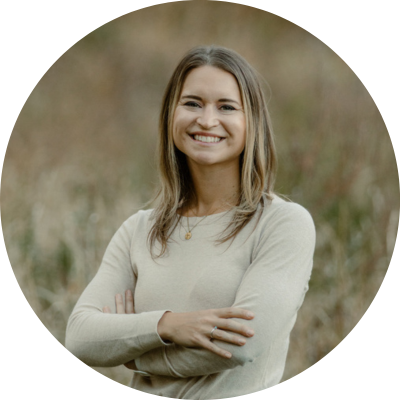
I am a contract Provenance Researcher with the Smithsonian’s National Museum of African Art (NMAfA). My job is to research the ownership histories of objects in the museum’s permanent collection, document how they made their way to the museum, and share those provenance histories with museum audiences. This work is particularly challenging with African art. Most of the historic objects in the museum’s collection left the continent during the nineteenth and early twentieth centuries at the height of European colonialism. A lot of my role is figuring out – to the best of our ability – how those objects left their local communities, and whether they entered the art market through legal and ethical means. If we discover illicit or unethical collecting histories, I work with our museum’s Shared Stewardship and Ethical Returns working group to help determine how to right those historical wrongs.
What key personal and/or career experiences led you to where you are today?
I earned my PhD in African History from the University of Maryland in 2024. During my PhD program, I did a lot of hands-on archival research, which was critical since I do a lot of archival work in my current role. I also traveled to a lot of archives and museums on the African continent and gained important language skills (French and Arabic) that I use on a daily basis.
But beyond that, my professional network has been really beneficial in getting where I am today. One of my professional contacts recommended me for my current role after I met her at a conference, followed up with an informational interview, and stayed in touch over the course of a year. These connections take work to maintain, but they are so important.
What is the most challenging aspect of your job? How do you navigate that challenge?
Since I’m the first full-time provenance researcher at NMAfA, a lot of my role so far has been establishing sustainable policies, procedures, and documentation standards for myself and for future researchers. I have to advocate for myself and the importance of my work with my colleagues, to encourage them to think about object histories when planning exhibitions, approving outgoing loans, and consulting with communities. My colleagues all work so hard – so asking them to do extra work is a challenge! I have to communicate expectations clearly, accommodate busy schedules, and be flexible to help make sure my policies will actually stick.
What advice would you give to Wake Forest graduates about developing their personal life habits after college (finances, health, values, work/life balance)?
Take time for yourself, even when you don’t have the time. For me, running is really important for maintaining my mental and physical health. Even during extremely busy periods of grad school, while traveling on research trips, and on days when I have entirely too many things to do, I always find a way to go for a quick run. Taking that time for myself (even if it’s just a 30 minute jog at 5:00am) settles my brain and makes me a better colleague, a better friend, and a better partner. Find a way to fill your cup and be diligent about maintaining it.
We know that relationships are important for any kind of development. How do you build and maintain your network?
Networking is hard and uncomfortable, but it pays dividends. Be confident when introducing yourself to people in your industry. Approach them as an equal colleague, even if you’re still a student. Share what you’re working on, in addition to asking them about their own work. And always send a thank-you note or follow-up email.
Sometimes, to psych myself up for an awkward networking conversation, I remind myself that this discomfort will only take up 15-20 minutes of my life, but could provide years of valuable opportunities. You can do anything for 15 minutes!
Tell us about your mentoring relationships. What impact have these relationships had on your career and life?
The best mentors I’ve had are those who have recognized me as a whole person. Both of my co-advisors in my PhD program were absolutely wonderful mentors. In addition to their guidance on my research and writing, they checked in on my mental health, tracked me during marathons, sent gifts for my wedding, and encouraged me to pursue opportunities outside of my dissertation project. Now that I’ve graduated from my program, they’ve become friends and colleagues. Those relationships will last a lifetime.
What advice would you give to current Wake Forest students and/or young alumni who are interested in working in your industry?
Breaking into the museum field is tough. There are limited opportunities, and cuts to federal funding have only made that worse. But it is possible! Use your network to learn as much as you can about how museums work, and determine the specific kind of work you want to do. Be targeted about which positions you apply to – don’t just apply to everything in sight with a form cover letter. If you can’t find a position or an internship, volunteer in your spare time to meet people and learn as much as you can.
What’s next for your career? What future goals or plans are you pursuing?
I plan on staying in my current role for a while. NMAfA has 12,000 objects in its permanent collection, so I have my work cut out for me. I’m looking forward to participating in a cultural exchange program to Nigeria and Cameroon this summer, and working to enhance the museum’s partnerships with communities on the continent.
Story published in February 2026. For current updates about Caroline, visit her LinkedIn profile.