
Deacon Spotlight: Phillip Weinstein
Phillip Weinstein (2016, BA in Russian, Economics)
CEO, Sycamore Leaf Solutions in Philadelphia, PA
Tell us about your current job role and employer. What are you currently working on?
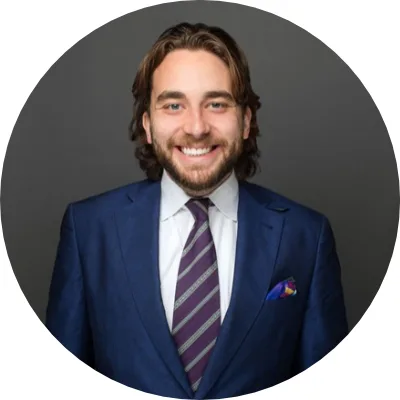
I’m CEO of Sycamore Leaf Solutions, a fully remote software company that serves primarily private K-12 schools. Our system helps schools run admissions, grades, report cards, communication and tuition payments in one place. I came to the role through a search fund: I raised capital from investors through a vehicle called a Search Fund, spent time searching for a great small business, and then acquired it and stepped in to lead it. Right now my focus is our people and our schools. That means getting to know a team that has built the company over many years, listening to the schools we serve, and making sure they get real value from the product every day. Our purpose is simple: give educators their time back so they can focus on teaching.
What key personal and/or career experiences led you to where you are today?
Before I attended business school at Wharton, I worked at Turn/River Capital, a software-focused private equity firm. There I learned how strong software businesses are built and run, and I saw how much difference a committed operator makes. That experience led me to the search fund model post business school, where you don’t just invest in a company, you run it. I wanted to apply what I’d learned to a business with a mission I cared about. Education fit that, because good schools change the course of people’s lives.
What is the most challenging aspect of your job? How do you navigate that challenge?
The hardest part is stepping in as a new leader at a company whose team and customers have relationships that go back many years. Trust can’t be bought along with a business; you have to earn it. I handle this by listening before I change things. I spend time with employees in their day-to-day work and call customers directly. I’m honest about what we’re getting right and what we’re not, and I try to make fewer promises and keep all of them. Leadership in a transition is mostly about consistency.
What advice would you give to Wake Forest graduates about developing their personal life habits after college (finances, health, values, work/life balance)?
Build your habits before you need them. Save something from every paycheck, even when the amount feels too small to matter; compounding rewards people who start early. Your career is long. I think being willing to work hard in the early years is valuable as that compounds as well.
We know that relationships are important for any kind of development. How do you build and maintain your network?
I try to be useful before I need anything. The relationships that have mattered most to me began with genuine curiosity about someone’s work. They lasted because I kept in touch when there was no reason to, sharing an article, making an introduction, or checking in after a big moment. I also try to help people a few years behind me, because some of my strongest relationships began that way. My rule is to treat your network like a garden, not a contact list: small, regular attention beats a big push when you need something.
Tell us about your mentoring relationships. What impact have these relationships had on your career and life?
Mentors have shaped almost every big decision I’ve made. The investors and board members who backed my search fund are some of the most valuable mentors I have; each brings experience in sales, finance or operating a company that I lean on regularly. The best mentors I’ve had don’t give answers. They ask the question I’ve been avoiding and are coaches, not cheerleaders. I also try to pass this on: one of my former search interns is now raised his own search fund, and helping him get there has been one of the most rewarding parts of my career.
What advice would you give to current Wake Forest students and/or young alumni who are interested in working in your industry?
If you’re interested in software, private equity or entrepreneurship through acquisition, learn how businesses actually make money: unit economics, retention, and what customers truly value. Early in your career, choose roles where you learn fastest from people you admire, not the most impressive title. If the search fund path interests you, talk to people who have done it; the community is remarkably generous with its time. Also definitely pick an industry whose customers you genuinely want to serve, because that will carry you through the hard stretches.
What’s next for your career? What future goals or plans are you pursuing?
My focus is building Sycamore Leaf into the best partner a school can have and doing right by our team and the schools that rely on us. I’m also planning to pursue Vanderbilt’s EdD program in independent school leadership. My goal is to understand from the inside how independent schools work, so I can serve educators better.
Story published in November 2026. For current updates about Phillip, visit his LinkedIn profile.